The Loudest Advantage in Freight Is a Quiet Thank You
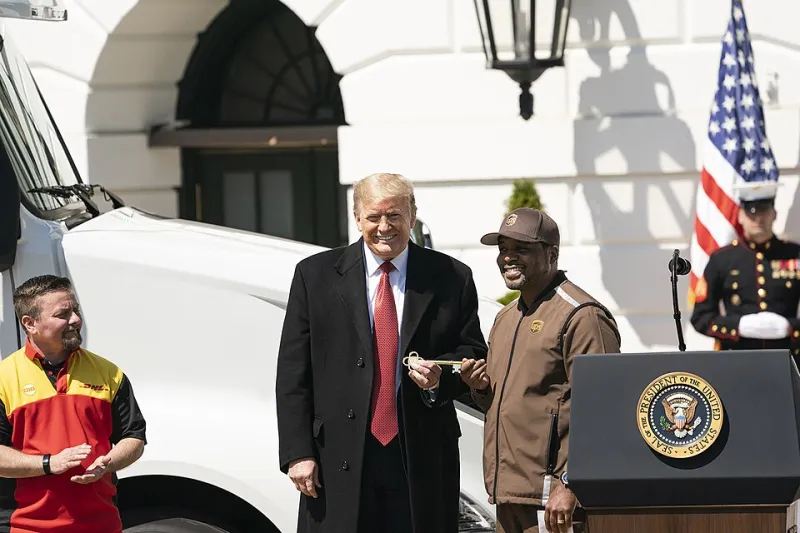
Photo: The White House from Washington, DC, Public domain, via Wikimedia Commons
Ask a shipper what gets their freight moved first during a capacity crunch and you'll hear the expected answers: competitive rates, clean facilities, flexible appointment windows. All true. All incomplete.
There is a third lever, and it costs almost nothing to pull. Carriers, dispatchers, and dock crews talk to each other — at truck stops in Joplin, in load boards' private comments, in group chats that span state lines. Within that ecosystem, word travels fast about which shippers treat people well and which ones treat a driver like a line item. When trucks are scarce, the shippers with a reputation for acknowledgment get first call. The rest get whatever is left.
What the Retention Numbers Already Tell Us
The freight industry has a well-documented churn problem. Driver turnover at large truckload carriers has historically run well above the turnover rates in nearly any other American occupation, and every departed driver takes with them institutional knowledge: your dock's quirks, your receiving manager's preferences, the gate code that never works on the first try.
The fleets that retain drivers longest share a common trait beyond pay — they concentrate on lanes and customers where drivers feel respected. Industry surveys consistently rank treatment by shippers and receivers among the top reasons drivers leave a carrier or request a lane change. A driver who sits unpaid for four hours at a hostile facility doesn't blame the facility in the moment; they tell their dispatcher to drop that customer from their board.
Multiply that across a carrier's fleet and the math becomes unavoidable. A shipper with a reputation for fast check-ins, reasonable detention practices, and a simple thank-you becomes a lane drivers ask for. Preferred lanes mean experienced drivers, newer equipment, and better on-time performance. Recognition isn't sentimentality. It's capacity strategy.
Where Recognition Actually Happens
Most logistics programs have no mechanism for acknowledgment at all. The fix isn't a plaque in the break room. It's building recognition into the operational rhythm the same way you've built KPIs into it.
Score carriers, then say it out loud. Most shippers already score carrier performance quarterly. Very few share the results — and fewer still share them when the news is good. A short note to a carrier's leadership identifying their driver of the quarter, with specifics, gets read. It gets forwarded. It influences how your account is staffed.
**Name the people, not the company. "Great job, ABC Trucking" is noise. "Marcus ran our Chicago lane eleven consecutive months without a late delivery" is a message a dispatcher can act on — and one the driver remembers.
Recognize the invisible middle. Dispatchers and dock leads shape your outcomes more than any executive at the carrier. A brief email to a warehouse supervisor praising their team's turnaround time costs two minutes and buys goodwill that surfaces as a favor when you need a hot shot at 4 p.m. on a Friday.
Make it public where it counts. A mention in your quarterly business review. A line in the vendor scorecard summary. A LinkedIn post during National Truck Driver Appreciation Week that names actual people. These signals compound.
A Practical Framework: The Three-Tier Recognition Program
Shippers who want to operationalize this can start with a simple structure:
- Transaction tier. Every load closed well gets a documented acknowledgment — a note in the carrier portal, a rating that isn't anonymous. Low effort, high frequency.
- Relationship tier. Monthly, identify one driver, dispatcher, or dock worker who materially protected your shipment performance and thank them by name, copied to their supervisor.
- Strategic tier. Quarterly, review your top-performing lanes and publicly — within your organization and theirs — credit the specific teams behind the numbers. Tie recognition to contract conversations, not as a substitute for fair rates, but as evidence you're a customer worth keeping.
The tiering matters because it converts recognition from a random act into a system. Systems survive turnover. Random acts don't.
What You Get Back
The returns show up in unglamorous places. Calls answered faster. Equipment assigned on time. A dispatcher who flags a weather delay to you before it hits your dashboard. Priority treatment isn't written into any contract — it's granted informally, to customers carriers don't want to lose.
And when the next freight recession inverts and capacity evaporates, the shippers who spent the good years saying thank you will be the ones still moving freight. The rest will be refreshing load boards, paying the spot market's anger tax, and wondering why their competitors' trucks always seem to show up.
Recognition won't replace competitive rates or professional operations. But layered on top of them, it's the cheapest capacity insurance available in American freight today. At Kudos Logistics, we'd argue the name says it all: acknowledgment isn't a soft skill. It's a supply chain advantage hiding in plain sight.