The Rituals of Receipt: Why Seals, Signatures, and Handshakes Still Move Freight

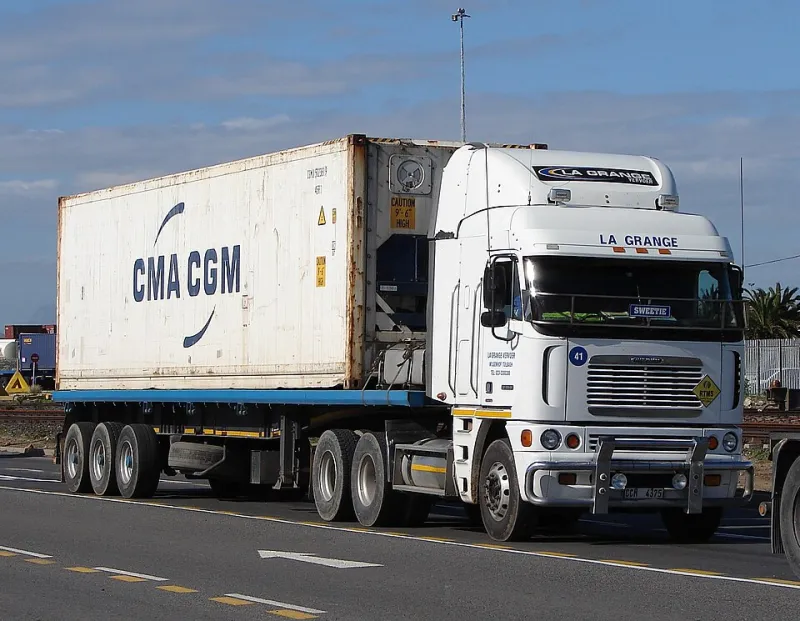
Photo: Jamie Tubers, CC BY-SA 4.0, via Wikimedia Commons
Somewhere in Kansas City tonight, a driver will walk a slow circle around a loaded trailer, checking a seal number against a piece of paper, then sign and date it before pulling away. No app prompted the check. No sensor logged it. It is simply how the work has been done for a hundred years — and it may still be the single most reassuring moment in the entire shipment lifecycle.
We run APIs, telematics, and predictive ETAs like everyone else. But at Kudos Logistics, we've come to believe the industry's digital transformation has not replaced the old rituals of freight. It has raised the stakes on them.
What a Seal Actually Says
A trailer seal is a $2 piece of stamped metal. Its function is trivial; its meaning is not. When a driver records a seal number at origin and a receiving clerk verifies it at destination, both parties are conducting a ceremony of custody — an unbroken chain that anyone can audit with a pen and paper.
Digital systems tell you where a trailer is. A verified seal tells you nobody has opened it. Shippers who understand this distinction tend to weather disputes, theft claims, and insurance conversations far better than those who treat the physical record as a formality.
The Wax-Stamp Era Never Really Ended
Freight verification descends from much older traditions. A merchant in 1890s Chicago receiving a crate sealed with wax knew, before opening it, whether the contents had been tampered with. The bill of lading's signature lines, the driver's hand-off receipt, the pro number scrawled on a delivery manifest — these are modern descendants of the same idea: trust should be observable.
What's changed is the speed at which we expect confirmation. What hasn't changed is that shippers, especially those moving high-value or regulated goods, still want at least one thing they can point to and say: this proves it.
Pairing the Old With the New
The best operations we've observed — our own included — follow a simple principle: digitize the record, but preserve the ritual.
- Photograph the seal at dispatch and delivery. The image attaches to the shipment record automatically; the driver still reads the number aloud on a call or logs it by hand first.
- Keep a human signature on the POD. Geolocation stamps are useful evidence, but a signed name still resolves claims faster than a coordinate.
- Confirm custody verbally at handoff. A thirty-second exchange between driver and dock lead catches what no sensor can: the wrong pallet count, a shifted load, a door that didn't latch.
- Reconcile the physical and digital daily. If the telematics feed and the paperwork disagree, treat the discrepancy as an event, not a rounding error.
Why This Matters to Shippers
If you're evaluating carriers, ask how they handle the physical record, not just the digital one. A provider that can show you a seal-verification photograph within minutes of a request — alongside a live GPS feed — is demonstrating something deeper than technological capability. It's demonstrating a culture in which verification is a habit rather than a feature.
Technology has made freight faster and more transparent than any previous generation of shippers could have imagined. But confidence has never come from data alone. It comes from the quiet, repeated, almost ceremonial acts that confirm the data is telling the truth. The seal gets checked. The envelope gets signed. The shipment moves — and everyone sleeps a little better.