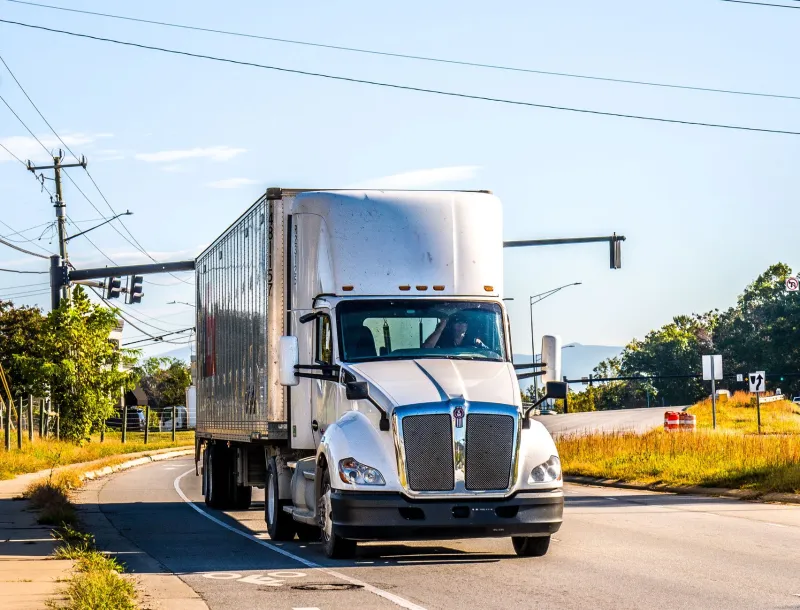
Eight Unwritten Dock Rules That Turn Warehouse Chaos Into Turnaround Time
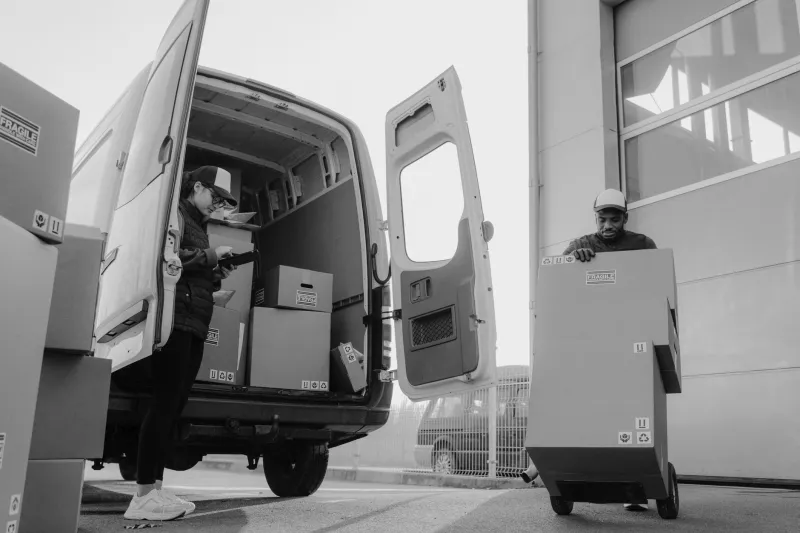
Every shipping manager has watched it happen: two warehouses, identical freight, identical equipment. One turns trucks in under an hour. The other racks up detention fees and a growing list of carriers who quietly refuse the lane. The difference is rarely the dock door count. It's the small, unwritten behaviors — the etiquette of the loading dock — that separate smooth operations from costly standoffs.
Here are eight of them, compiled from conversations with drivers, dock supervisors, and dispatchers across the country.
1. Make Check-In a Thirty-Second Experience
A driver who just battled I-285 traffic to make an appointment window shouldn't face a clipboard interrogation. Have your check-in process — whether it's a gate kiosk, a guard shack, or a yard app — ready to verify a truck in under a minute. Every minute at the gate is a minute off the dock clock.
2. Post Your Rules Where Humans Can Read Them
Lumper requirements, pallet standards, appointment check-in windows, seal policies: if it's buried in a routing guide nobody has opened since 2021, expect violations. Print it. Laminate it. Post it at the gate and send it with every load confirmation.
3. Respect the Appointment Window — Both Directions
Etiquette runs both ways. Drivers are expected to arrive on time; facilities are expected to be ready to receive. If your dock routinely runs 90 minutes behind schedule, you don't have a driver problem — you have a scheduling problem that's inflating your accessorial costs.
4. Have the Paperwork Ready Before the Truck Is
Nothing sours a dock visit faster than a driver sitting on your apron while a BOL is being "corrected." Verify counts, weights, and reference numbers before the appointment, not during it. A clean pre-load checklist is the cheapest detention insurance you'll ever buy.
5. Treat Drivers Like Professionals
Restrooms, water, a place to park out of the way — these cost almost nothing and buy enormous goodwill. Drivers talk to each other. Facilities known for treating people well get priority when capacity tightens and drivers are choosing which loads to accept.
6. Handle Detention Diplomatically
Detention fees exist for a reason, but they're a terrible first conversation. If a delay is your fault, own it before the carrier's invoice arrives. A proactive credit or a quick call to dispatch preserves a relationship that a disputed invoice will damage. The fee is leverage; the relationship is the asset.
7. Communicate Delays Before They Become Standoffs
A two-hour heads-up lets a driver reposition, grab a meal, or rework their hours-of-service plan. Silence turns a manageable delay into a missed delivery and, often, a missed next appointment downstream. When the dock falls behind, pick up the phone.
8. Close the Loop at Departure
Before a truck pulls out, confirm the paperwork matches the freight: seal number, piece count, reference numbers, signature. Thirty seconds at the door prevents the week-long claims investigation that follows a mismatch discovered at delivery.
Small Behaviors, Compounding Returns
None of these rules requires capital investment or a software rollout. They require consistency — the same discipline you'd apply to any other part of your supply chain. Facilities that practice dock etiquette consistently report faster turnarounds, fewer accessorial charges, and, perhaps most valuable in a tight-capacity market, a carrier base that picks up the phone when you call.
Your dock is where your supply chain shakes hands with someone else's. Shake it well.