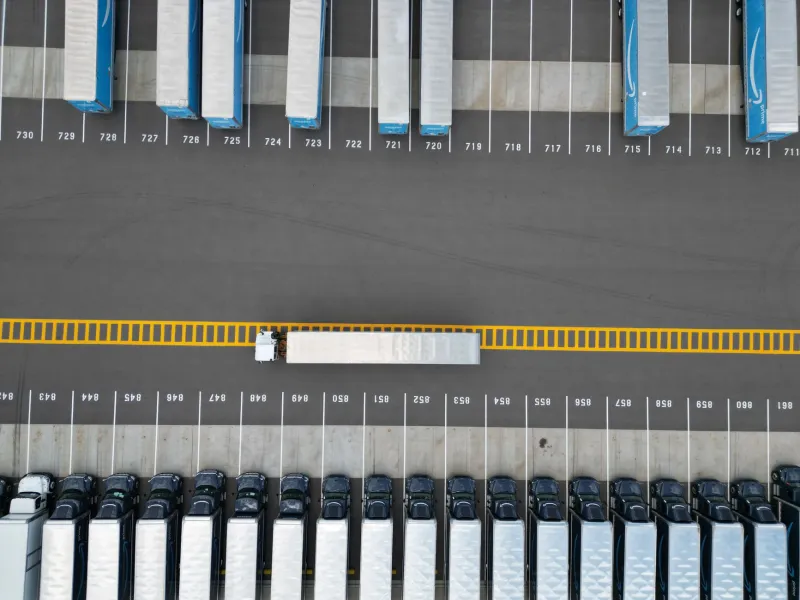
Beyond the Pallet: The Specialized Shipments That Keep American Industry Running
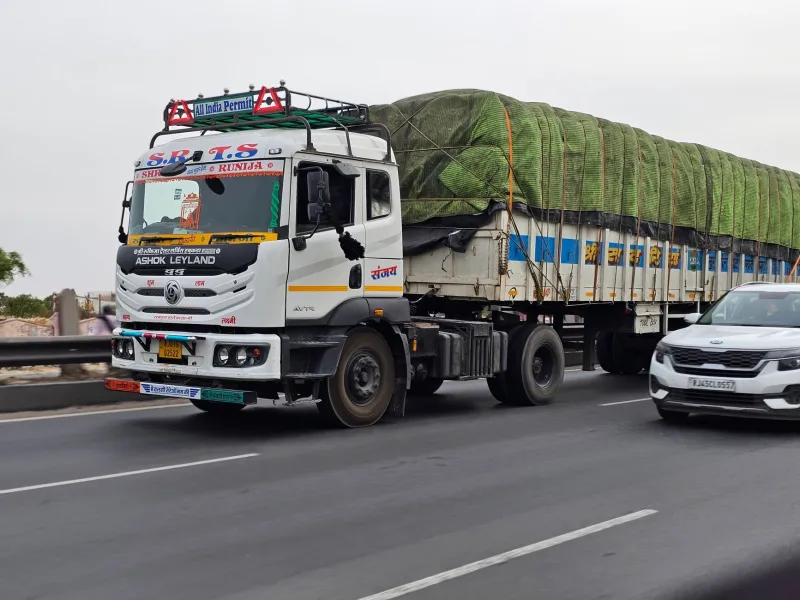
Most freight is forgettable, and that's a compliment. A pallet of boxed goods rolls onto a trailer in Columbus and rolls off in Dallas, and nobody along the way gives it a second thought. But a surprising share of the American economy moves in shipments that can't be forgotten—cargo so large, so delicate, or so dangerous that a single misstep can shut down a plant, trigger a federal fine, or worse.
These are the hidden lifelines of U.S. commerce, and understanding how they move is useful even if you never ship a single one of them. Why? Because the capabilities behind specialized freight—planning discipline, compliance rigor, carrier vetting—are the same capabilities that make ordinary freight run better.
Oversized and Overweight: When the Load Won't Fit
Every state sets its own limits on vehicle dimensions and weight, which means a single oversized shipment—a transformer, a mining excavator, a pre-fabricated bridge span—may need to satisfy 50 different rulebooks between origin and destination.
Moving this cargo legally requires superload permits, route surveys that account for overpass clearances and bridge weight ratings, and often escort vehicles and state police escorts depending on the jurisdiction. Timing matters too: many states restrict oversized movements to daylight hours or prohibit them entirely on holiday weekends.
Shippers who treat this as a last-minute exercise learn an expensive lesson. Route surveys, permit applications, and utility coordination (yes, sometimes power lines have to be temporarily lifted) can take weeks. The carriers who do this well are few, specialized, and booked in advance.
Hazardous Materials: Paperwork Is the Product
Hazardous materials freight—from industrial chemicals to lithium batteries to Class 3 flammables—operates under a dense web of federal regulations governing classification, packaging, placarding, and driver endorsements.
The critical insight for shippers: with hazmat, compliance failures rarely announce themselves at the dock. A misdeclared shipment can travel hundreds of miles before an inspection catches it, at which point the fines, delays, and liability multiply. Working with carriers whose drivers hold current hazmat endorsements and whose safety records withstand scrutiny isn't a premium—it's the baseline.
Perishables and Temperature-Sensitive Cargo
Food, pharmaceuticals, and certain chemicals demand an unbroken chain of custody for temperature. Reefer equipment must be pre-cooled, monitored continuously, and backed by contingency planning for breakdowns and reefer unit failures. A single refrigeration failure on a July run through the Southwest can compromise an entire load of produce in hours.
The strongest programs build redundancy in: temperature recorders, contingency carriers on standby, and clear protocols for when a reading drifts out of range. The cost of that planning is trivial compared to a rejected load at the receiving dock.
What Specialized Freight Teaches Every Shipper
You may never book a superload. But the disciplines behind it are universal:
- Plan lead time, not just transit time. Specialized moves succeed because preparation starts weeks out.
- Vet capabilities, not just rates. A carrier's price means nothing if it can't legally or safely handle the freight.
- Document everything. In regulated freight, the paperwork is as load-bearing as the cargo itself.
At Kudos Logistics, we see the full spectrum of American freight—standard dry van runs alongside the loads that need escorts, endorsements, and engineering. Whatever your cargo looks like, the principle holds: match the shipment to the capability, and start early. That's how freight moves right, on time, every time.