July Is the New September: A Month-by-Month Playbook for Peak Season Freight
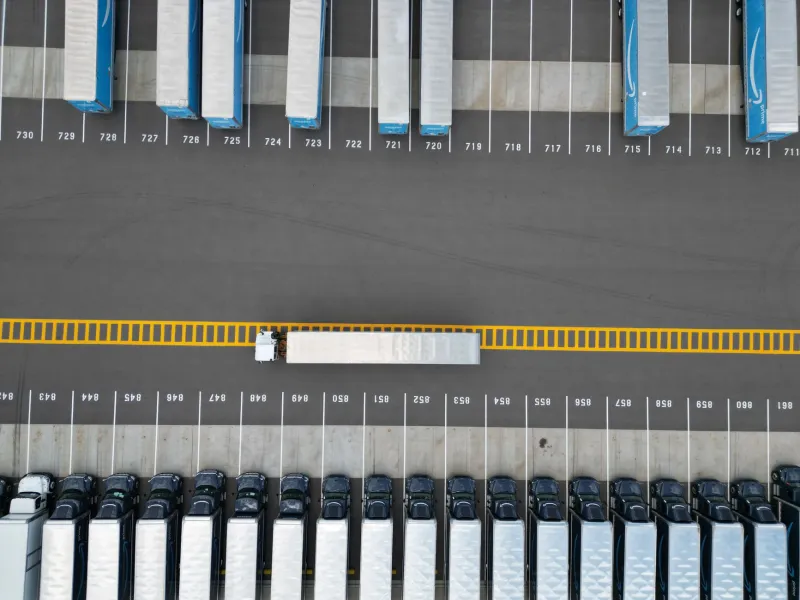
Ask a room of retail shippers when peak season begins, and most will say October or November. Ask a carrier, and the answer is different: peak season begins the moment capacity starts contracting — which, in recent years, has crept earlier and earlier into summer. By the time back-to-school inventory is moving through the supply chain, the trucks, drivers, and warehouse slots needed for holiday freight are already being claimed.
For US shippers, the lesson of the last several peak seasons is simple: the cost of planning late is measured in premium rates, rolled shipments, and disappointed customers. The good news is that the remedy is a calendar, not a crisis.
Why the Crunch Starts So Early
Three forces have pushed the peak-season squeeze into July. First, e-commerce volume continues to grow, compressing available truckload and LTL capacity across the national network. Second, retailers now place peak replenishment orders earlier to guard against the kind of port congestion and inventory volatility that defined recent years. Third, carriers allocate their best equipment and drivers to committed customers months in advance — meaning spot-market shippers are left competing for what remains, at whatever price the market demands.
The result is a familiar pattern: shippers who wait until September face rate increases of 15–30% on some lanes, longer transit windows, and a genuine risk that carriers simply roll their freight to the next day. During peak, a rolled shipment isn't an inconvenience — it's a missed promotional window.
The Kudos Month-by-Month Planning Timeline
July: Forecast and Audit
Begin with data. Review last year's Q4 volumes by lane, by SKU category, and by week. Identify your true peak days — they're rarely the ones you expect — and flag any lanes where capacity was tight. This is also the month to audit your carrier agreements: do your committed volumes reflect what you'll actually need?
August: Lock in Capacity
This is the month to negotiate. Carriers are still willing to commit to dedicated capacity, guaranteed windows, and locked rates for Q4 — but their flexibility shrinks as autumn approaches. Shippers who return with accurate forecasts and concrete volumes get priority treatment. If your freight mix includes retail store replenishment, e-commerce parcel, and bulk distribution, communicate all of it now.
September: Stress-Test Your Network
Run a dry test of your peak operation. Confirm dock appointments, verify warehouse labor plans, and walk through your carrier's escalation process for exceptions. If your tracking tools only tell you a shipment is late after it's late, this is the time to upgrade. Real-time visibility — the kind that flags a stalled load hours before a missed delivery — is the difference between a proactive phone call to a customer and an apology email in December.
October: Finalize and Communicate
Publish your peak shipping calendar internally. Share cutoff dates with suppliers, confirm holiday hours with every facility, and brief your carriers on expected volume surges week by week. Ambiguity in October becomes chaos in December.
November and December: Monitor Daily, Adjust Fast
Peak season rewards shippers with live dashboards, clear exception protocols, and partners who answer the phone. Build a daily review cadence: every inbound and outbound load, every exception, every recovery plan. Weather, congestion, and demand spikes will still happen — but with visibility and a committed carrier, they become manageable events rather than emergencies.
What Early Planning Actually Saves
The arithmetic is persuasive. Locking Q4 capacity in August typically secures rates well below the spot market in November and December, when peak surcharges and demand spikes collide. Guaranteed pickup windows protect promotional launches and store-shelf availability. And reliable, real-time tracking reduces the customer-service burden that otherwise swells alongside holiday order volume.
Just as important is what early planning prevents: rolled freight. When a carrier rolls a shipment during peak, the ripple effects — missed delivery windows, expedited re-ships, refund requests — often cost more than the original freight spend itself.
On Time, Every Time — Even in December
Our brand promise at Kudos Logistics isn't a fair-weather commitment. It holds in the busiest, messiest weeks of the American retail calendar precisely because the work starts months earlier: capacity reserved in summer, lanes monitored in real time, and a team that treats your Q4 like our Q4.
If your peak season plan is still a folder of last year's emails, July is the moment to change that. Reach out, share your forecast, and let's build a peak season where the only surprise is how smooth it went.