Miles 437 to 612: Inside the Reroute That Saved a Shipment — and What It Cost

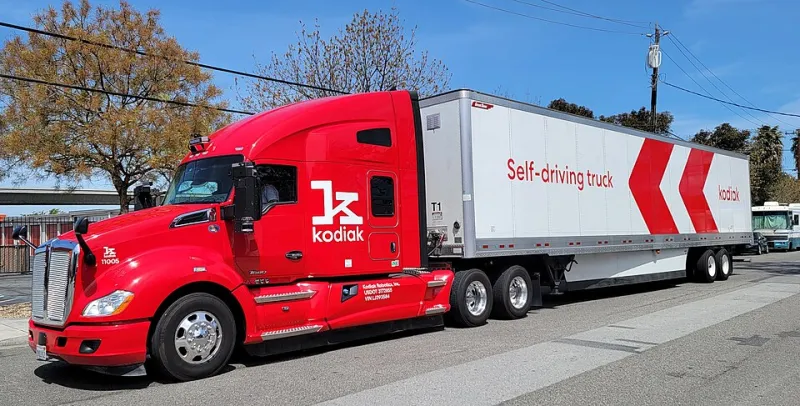
Photo: Carl Davies, CSIRO, CC BY 3.0, via Wikimedia Commons
At 6:40 a.m. on a Tuesday, a dispatcher in our Memphis operations center received an alert no one wants to read: a section of interstate outside Richmond had flooded overnight, and the highway would stay closed for at least four days. One of our trucks — hauling 42,000 pounds of store fixtures bound for a distribution center in New Jersey — was 90 minutes from the closure with a delivery appointment that would not move.
What happened over the next 31 hours is a case study in how modern freight reroutes actually work. For shippers, understanding that process is not trivia. It is the difference between a line item on an invoice and a broken supply chain.
The First 30 Minutes: Triage, Not Panic
A reroute begins with three questions asked in rapid order: Is the freight safe? Is the driver compliant with hours-of-service rules? And what is the next-best path that keeps the delivery window intact?
In our case, the dispatcher pulled up the load's routing guide, confirmed the driver had enough legal drive time to reach an alternate corridor, and checked two things most shippers never see: weight restrictions on the secondary routes (a loaded van can be barred from certain bridges and parkways) and the delivery appointment terms in the shipper's routing instructions.
By 7:15 a.m., the customer knew. Not because a regulation required it, but because contingency planning is only real if it is exercised. The shipper's traffic manager had two hours to decide whether to accept the reroute, hold the freight, or push the appointment.
Who Pays When the Map Changes?
Here is the part that surprises shippers: a reroute caused by weather, road closures, or infrastructure failure is generally not billable to the carrier's standard rate. The carrier absorbs the extra miles as a cost of doing business — which is why disciplined carriers build route redundancy into their lane pricing.
But there are exceptions where the shipper's wallet is on the line:
- Detention and layover. If the reroute pushes the driver past legal hours, an overnight layover (often $300–$500) may be negotiated.
- Toll differentials. Alternate corridors can carry tolls that standard routing avoids. Some contracts pass these through; ours do not, unless the shipper requests a specific toll route.
- Re-delivery fees. If a missed appointment forces the consignee to refuse the freight, re-delivery and re-consignment charges can run into four figures.
- Expedited recovery. If the shipper demands a team-driver sprint or a transload to protect the deadline, premium rates apply — and they are always cheaper than a stockout.
The takeaway: reroute costs are not arbitrary. They follow from the contract, which is why the contract matters before the flood, not after.
The Clauses That Separate Prepared From Panicked
Seasoned shippers write for the bad day. Four provisions show up again and again in the routing guides of companies that weather lane collapses gracefully:
1. Alternate routing authorization. Pre-approval for the carrier to deviate from the planned lane without a stop-work call. Every hour saved in that phone call is an hour of transit recovered.
2. Delivery windows, not appointments. A four-hour window flexes through a reroute. A hard 8:00 a.m. appointment does not.
3. A named escalation contact. Reroutes happen at 3 a.m. "The dock closes at five" is not an escalation plan.
4. Force majeure with a duty to communicate. Both parties should be excused from penalties when infrastructure fails — but only if they notify each other promptly and in writing.
What the Shipment Actually Did
Back to our load in Virginia. The dispatcher routed the truck north on US-17 through Fredericksburg, adding 187 miles and roughly three and a half hours. A toll-avoiding path kept costs at zero incremental freight charges. The driver made a legal 10-hour reset at a truck stop in Delaware, and the fixtures arrived the next morning — 14 hours late by the original plan, on time by the revised one.
The customer's inventory team had already adjusted the receiving schedule. Nobody worked a weekend. Nobody paid a re-delivery fee.
Build the Reroute Before You Need It
You cannot control when a bridge closes, a port strikes, or a levee gives way. You can control whether your freight agreement assumes the world is always open. Ask your providers three questions this quarter: What is your standard reroute protocol? What triggers a billable charge? And who answers the phone at 3 a.m.?
If the answers are slow, vague, or defensive, you have found the weak link in your supply chain — while it is still cheap to fix.