Quiet Excellence: The Case for Rewarding the Carriers Who Never Make Headlines
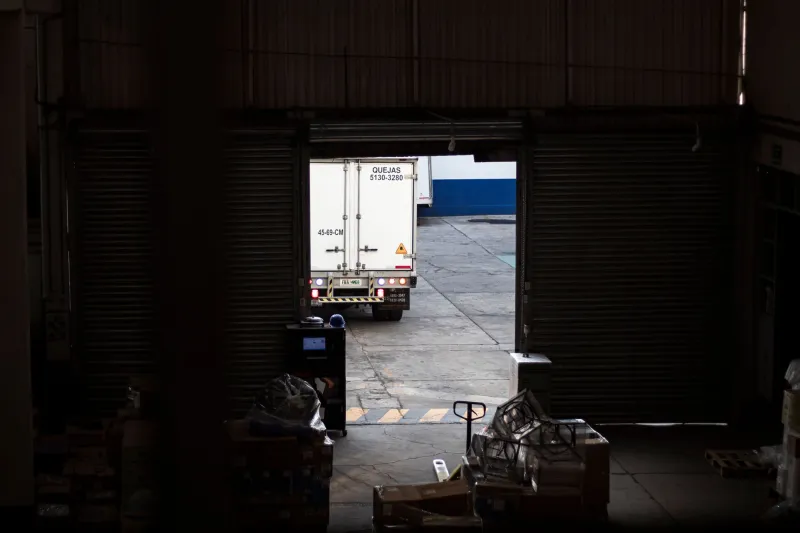
Somewhere on I-80 this morning, a driver eased a loaded trailer into a distribution center nine minutes ahead of schedule. Nobody tweeted about it. No trade publication ran the story. It was simply another on-time delivery in a country that moves roughly 50 tons of freight per person, per year.
That's the paradox at the heart of American logistics: the industry's greatest successes are invisible. Failures go viral. Successes just... arrive. And for shippers, that silence carries a real cost, because when carriers who consistently perform never get recognized, they eventually take their equipment — and their best drivers — to shippers who will.
The Performance You Never Hear About
Spend any time in freight procurement and you'll notice the asymmetry. A missed delivery window generates emails, chargebacks, and a line-item postmortem. A flawless quarter of service generates, at best, a continued business-as-usual tender pattern. The industry's incentive structure is built to punish the negative and take the positive for granted.
The numbers suggest that's a mistake. Studies of carrier performance consistently show that a small cohort of carriers accounts for the overwhelming majority of problem-free loads. Yet procurement decisions are too often driven by the loudest data point — the recent exception — rather than the long, uneventful record that actually protects your supply chain.
What a Recognition Metric Actually Looks Like
The fix isn't sentimental. It's structural. Build recognition into your carrier scorecards the same way you build penalty clauses — deliberately, and with teeth.
1. Measure the streak, not the incident. Alongside on-time percentage, track consecutive months of clean performance. A carrier who has run 200 loads without a claim has demonstrated something a single-quarter average can't capture.
2. Weight consistency over heroics. Reward carriers who hit their window within a tight band — say, plus or minus 30 minutes — not just those who occasionally rescue a late load. Reliability is a distribution, not a highlight reel.
3. Score the soft signals. Did the driver communicate proactively at the dock? Did dispatch flag a weather delay before your customer noticed? These behaviors predict future performance better than a rate sheet does.
4. Publish the leaderboard internally. When your own team knows which carriers top the recognition metric, tender decisions start to reflect earned trust rather than habit.
Volume Is the Only Currency Carriers Respect
Recognition without reward is just a certificate on a wall. The carriers we work with across the US — from the Southeast's growing distribution corridors to the port-driven markets of Southern California — say the same thing: what they want is committed, predictable freight.
So close the loop. Tier your tendering so that top recognition scores unlock first refusal on new lanes, priority during capacity crunches, and multi-month commitments. During tight markets, this is the difference between your freight moving and your freight waiting. During soft markets, it's the difference between keeping your best partners and losing them to a shipper who noticed.
The Kudos Principle
Our name is a reminder of something the freight industry forgets at its peril: a job done well deserves acknowledgment. Not because carriers need applause, but because shippers need the reliable capacity that only well-treated carriers provide. Recognition, formalized and rewarded, is one of the cheapest capacity strategies available to any shipper in America.
The next time a load lands early and quietly, don't just breathe a sigh of relief. Write it down. Score it. And when the quarter closes, make sure the carrier who delivered it hears one word more often: thanks.