The Runner, the Rider, and the Rules: A Field Guide to Detention, Demurrage, and Driver Load Times
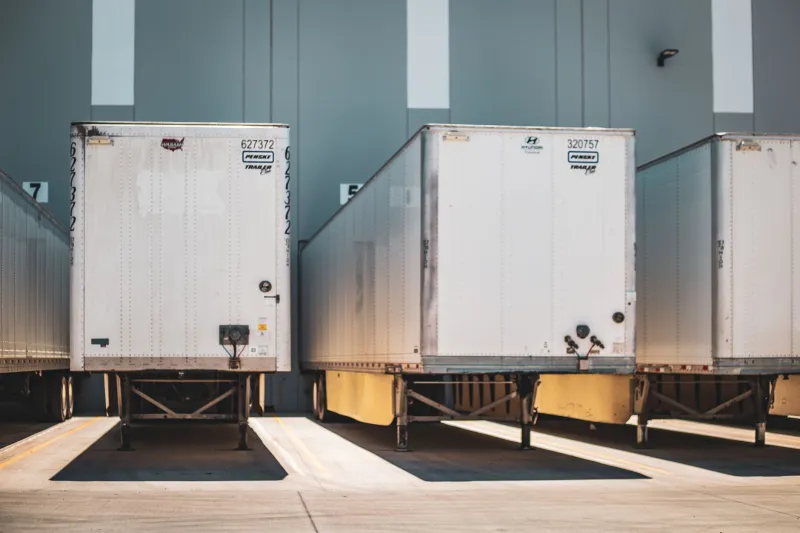
Somewhere in Ohio this morning, a driver named Marcus has been parked at a distribution center for two hours and forty minutes. His appointment was 8:00 a.m. It is now 10:40 and the forklift has not moved. By the time he rolls out, his carrier will have logged every minute — and in about three weeks, the invoice will arrive with a line item that reads 'Detention: $85.'
Whether that charge is legitimate, inflated, or entirely your responsibility depends on a handful of rules most shippers have never read closely. This guide walks through them.
The Three Fees That Wait With the Driver
Detention applies to the trailer or container sitting at your facility — the driver waiting to be loaded or unloaded. Most contracts include two free hours before the meter starts, typically billed at $50 to $100 per hour.
Demurrage is the port and rail cousin. When an imported container sits at the terminal past its free days before being picked up, the ocean carrier bills you daily, and those rates escalate aggressively — sometimes to several hundred dollars per day by week's end.
Per diem is essentially demurrage's inland twin: daily charges that accrue when a carrier's equipment — a container or trailer — is in your possession longer than the agreement allows.
They sound distinct on paper. In practice, they blur together, which is precisely why they're so frequently disputed.
Who Actually Owes What
The governing principle is simple: the party responsible for the delay pays for the delay. But responsibility is where the arguments live.
- If a driver arrives on time for a scheduled appointment and waits past the free time, the shipper or consignee generally owes detention.
- If the driver arrives late, many contracts reset the clock or void detention entirely — a detail carriers sometimes forget to apply.
- If the delay stems from the terminal, customs hold, or equipment shortage rather than the shipper, demurrage may not be billable to you at all.
- If your facility is at capacity and turns the driver away, a well-drafted contract may still make that your cost.
Read your routing guide and carrier agreements before the dispute, not after. The free-time allowance, the detention rate, and the appointment-reset language are negotiated terms, not universal standards.
Three Scenarios, Three Outcomes
Scenario one: The phantom wait. A carrier bills four hours of detention at a Midwest grocery DC. Your yard log — timestamped gate entries, dock door assignments, seal verification — shows the driver checked in at 7:12 and departed at 8:55. That's one hour and forty-three minutes, inside the free window. The charge is bogus, and your documentation ends the argument in one email.
Scenario two: The late arrival that wasn't your problem. A driver misses a 1:00 p.m. appointment, arrives at 4:30, and the load isn't ready until 6:30 — two hours past free time. The carrier bills detention. But your contract states that late arrivals forfeit detention claims for delays caused by their own tardiness. Denied, cleanly.
Scenario three: The demurrage cascade. An imported container clears the port on a Friday. Your receiving dock closes weekends and runs short Monday. By Tuesday, you've burned three free days and the daily rate has doubled. Here the lesson isn't disputing the charge — it's preventing it, by aligning port pickup windows with your actual dock capacity and using pre-pull or transload services when the math favors them.
The Dispute Playbook
When a wait-time invoice looks wrong, respond with evidence, not adjectives.
- Pull your gate records. Check-in and check-out timestamps are the gold standard. If you don't capture them, start today.
- Request the carrier's documentation. Under most detention agreements, carriers must substantiate the claim with driver logs or ELD data. Many won't bother if you push back once.
- Cite the contract language. Reference the specific clause — free time, appointment reset, force majeure — not general fairness.
- Track disputes systematically. A pattern of inflated detention bills from one carrier is procurement intelligence. It belongs in your next rate negotiation.
Faster Load Windows: The Underrated Margin Play
The cheapest detention dispute is the one that never happens. Facilities that turn trucks in under ninety minutes see fewer claims, better carrier acceptance rates, and — critically — drivers and dispatchers who want to haul their freight. In a capacity market, that preference is worth real money.
Practical steps: publish realistic dock schedules, stage loads before the appointment, invest in drop-trailer programs where volume justifies it, and treat dock turnaround as a KPI your operations team actually owns.
Your freight budget is negotiated once a year. Your dock performance is negotiated every time a driver backs in. Get the second one right, and the first one gets easier.